
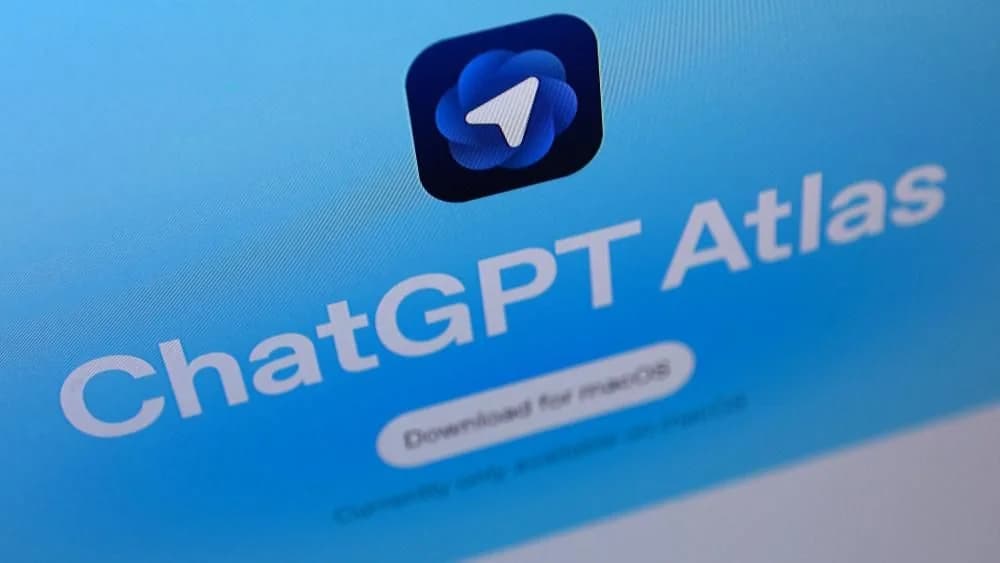
In October 2025, OpenAI made a bet that browsing itself should happen inside ChatGPT, launching a standalone AI browser called Atlas. Less than a year later, that bet is over. OpenAI ended ChatGPT Atlas on August 9, 2026, folding the capability back into the ChatGPT product it was built to reinvent.
Atlas was not short on ambition. OpenAI pitched it as a way to chat with your browser itself, not just open ChatGPT in a tab. What it lacked, according to OpenAI's own reporting and independent coverage, was an audience large enough to justify running it as a separate product. TechCrunch reported that OpenAI's leadership concluded the browser is a feature, not the destination.
This post covers what ChatGPT Atlas actually was, the timeline from launch to shutdown, why OpenAI pulled the plug, what replaces it, and what the whole episode says about where AI search and AI browsing are actually headed.
What Was ChatGPT Atlas?
ChatGPT Atlas was a Chromium-based web browser built around ChatGPT, released on October 21, 2025 for macOS only, with Windows, iOS, and Android versions promised but never shipped before the product was discontinued.
- A sidebar assistant that could see the page you were on and answer questions, summarize it, or compare it with other pages.
- Agent Mode, available to paying subscribers, let ChatGPT complete multi-step tasks inside the browser on your behalf, such as filling forms or navigating a checkout.
- Browser memories, which let ChatGPT retain context across sessions, with settings to review or clear what it remembered.
- An inline rewrite tool for editing selected text on any page without leaving it.
It ran on a freemium model, layered on top of ChatGPT's existing free, Plus, and Pro tiers.
The Timeline From Launch to Shutdown
Atlas lasted less than ten months as a standalone product.
- October 21, 2025: ChatGPT Atlas launches on macOS.
- October 27, 2025: Security researchers at LayerX disclosed a vulnerability nicknamed Tainted Memories, which chained a cross-site request forgery attack with ChatGPT's persistent memory to inject malicious instructions that could survive across sessions and devices. LayerX's testing found Atlas up to 90 percent more exposed to phishing attempts than Chrome or Edge.
- July 9, 2026: OpenAI announces it is retiring the standalone Atlas browser.
- August 9, 2026: Atlas officially stops working, about nine months after launch.
Why Did OpenAI Shut Down ChatGPT Atlas?
Two things converged. First, adoption never matched the ambition. MacRumors summarized the outcome bluntly: the premise was novel, but whether users actually wanted a separate AI browser turned out not to be all that compelling.
Second, OpenAI made a strategic call to stop running Atlas as its own product. Per TechCrunch's reporting, the direction came from OpenAI's application leadership, built around a simple principle: the browser is a feature, not the destination. Rather than compete for browser market share against Chrome, Atlas's capabilities were judged more valuable folded back into ChatGPT itself, where the vast majority of OpenAI's users already were.
The Tainted Memories vulnerability did not cause the shutdown on its own, but it is a useful reminder of the tradeoff an AI-native browser makes: the more a browser acts on your behalf while staying logged in, the more a single compromised memory or session can reach.
What Replaces ChatGPT Atlas?
OpenAI is not exiting browsing, it is redistributing it. According to TechCrunch, the capabilities Atlas offered are moving into three places: a Chrome extension that gives ChatGPT context on the page you are viewing, an enhanced ChatGPT desktop app with browsing built directly into the regular product, and a remote, cloud-hosted browser that OpenAI's agents use to complete tasks on a user's behalf without needing a dedicated Atlas install.
In other words, the feature survives. The separate app does not.
ChatGPT Atlas Was Never Alone
Atlas launched into a crowded field, and it remains crowded now that Atlas is gone. Perplexity's Comet browser has kept building since going free in October 2025. Google used I/O 2026 to fold Gemini deeper into Chrome, turning the browser most people already use into an agentic assistant rather than asking anyone to switch. Microsoft runs a similar Copilot mode inside Edge.
The pattern across the field is the same lesson Atlas taught OpenAI the hard way: people rarely switch browsers for an assistant. It is easier to bring the assistant to the browser they already use.
What This Means for AI Search and Your Visibility
If you spent the last year wondering whether you needed a distinct strategy to show up well inside ChatGPT Atlas specifically, that question is now moot. The broader shift it represented is not.
Browsing-integrated AI agents, whichever app or extension they live in, still work the same way: they read a page, decide whether to trust it, extract what they need, and sometimes act on it. Nothing about Atlas's shutdown changes what makes content legible to that process. Clear structure, direct answers near the top, valid schema markup, and credible sourcing are what let any of these systems use your content, whether the interface is ChatGPT, Perplexity's Comet, or Gemini in Chrome. Our guide on GEO vs SEO covers the fundamentals in more depth.
The practical takeaway from Atlas is not to chase whichever AI browser is winning this quarter. It is to build content and data that any capable agent can parse and trust, since the interface underneath it is clearly still being decided. Later models like GPT-6 Astra picked up the browsing capability Atlas pioneered, and a newer category of narrower decision models like Jev is emerging to handle the fast choices inside that kind of browsing workflow.
Where This Leaves Things
ChatGPT Atlas is a rare, well-documented case of an AI product shipping fast, gathering real usage data, and getting killed within a year once that data did not support the bet. For OpenAI, the underlying capability lives on inside ChatGPT and Codex rather than as its own browser. For anyone publishing content, the lesson is not about Atlas at all. It is that the surfaces AI search happens through will keep changing, so the safest strategy is optimizing for how machines read and trust content, not for one company's app.
If you want a clear-eyed look at how your content shows up across AI search and browsing agents today, our SEO and AI search service is built for exactly that. Contact us and we will take a look at where you stand.
Frequently asked questions
What was ChatGPT Atlas?
ChatGPT Atlas was a Chromium-based web browser built around ChatGPT, launched by OpenAI on October 21, 2025 for macOS only. It offered a chat sidebar that could read and summarize the page you were on, an Agent Mode that could complete tasks on your behalf, and browser memories that retained context across sessions.
Is ChatGPT Atlas still available?
No. OpenAI announced on July 9, 2026 that it was retiring the standalone Atlas browser, and it officially stopped working on August 9, 2026, about nine months after launch.
Why did OpenAI shut down ChatGPT Atlas?
OpenAI cited weak adoption relative to the ambition of a standalone AI browser, and leadership concluded, as reported by TechCrunch, that the browser is a feature rather than a destination worth running as its own product. Atlas had also drawn scrutiny after researchers disclosed a memory-injection vulnerability in October 2025.
What replaces ChatGPT Atlas?
OpenAI is redistributing Atlas's capabilities rather than dropping them: a Chrome extension for page context, browsing built directly into the regular ChatGPT app, and a remote cloud browser that OpenAI's agents use to complete tasks without a dedicated Atlas install.
Was ChatGPT Atlas safe to use?
OpenAI patched the disclosed issues, but security researchers at LayerX found a vulnerability nicknamed Tainted Memories shortly after launch that let attackers inject malicious instructions into ChatGPT's persistent memory, and found Atlas users up to 90 percent more exposed to phishing than Chrome or Edge users in their testing.
Need help with this?
Growthtrait can help you put this into practice. Let's talk about your goals.
Contact us